Ensemble Ganymède
Forgotten repertoire, familiar scores reimagined.
The ensemble
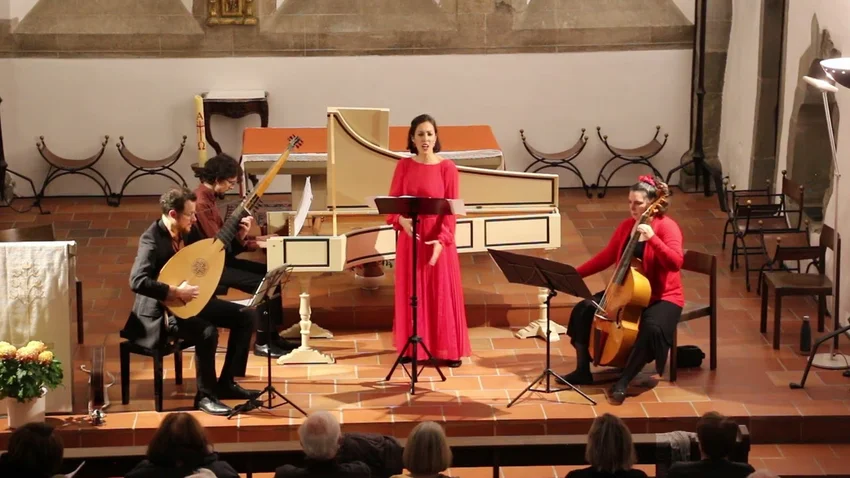
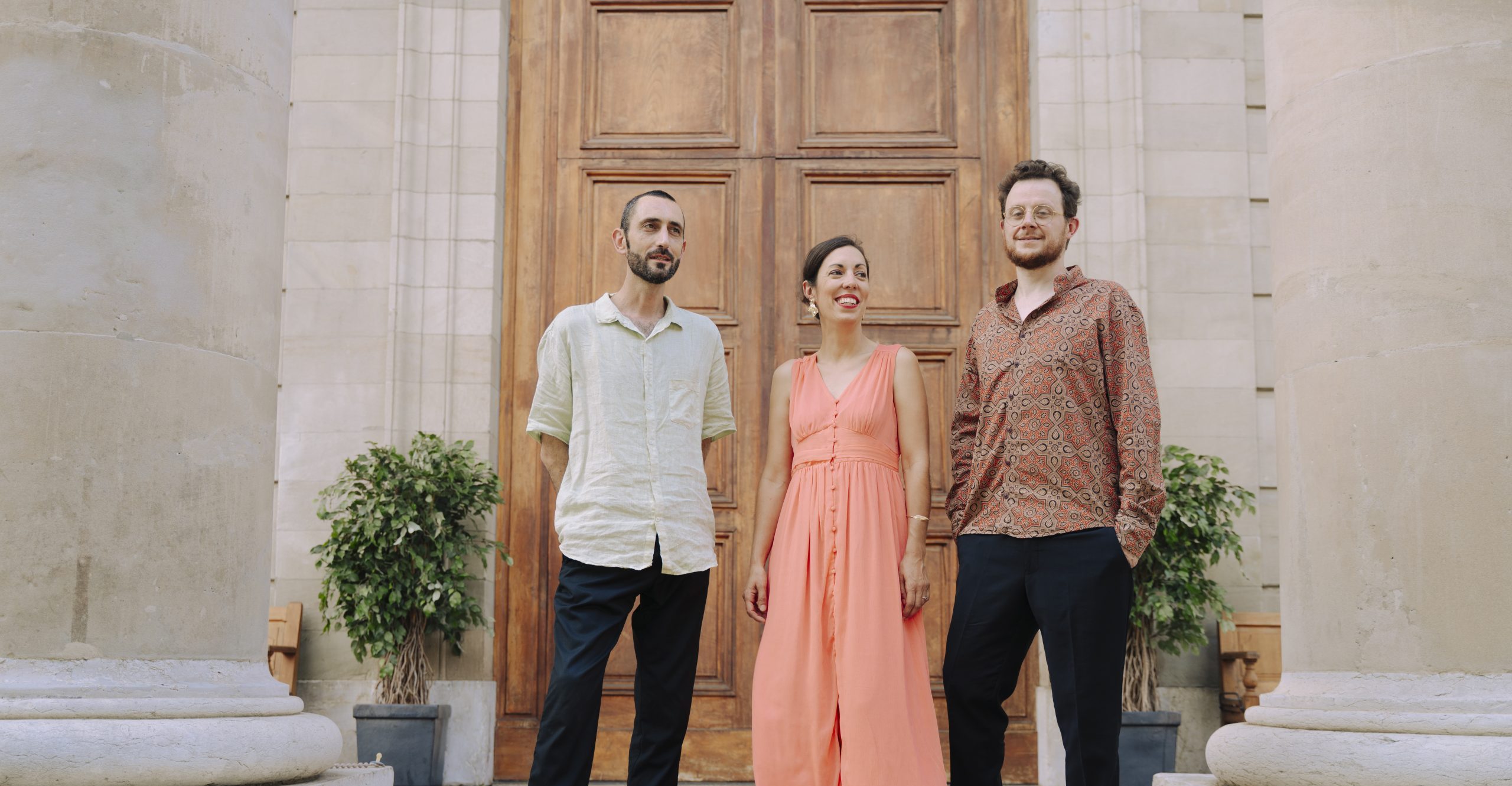
Ensemble Ganymède is a Baroque music ensemble whose line-up varies with each programme. It brings together experienced musicians, most of whom trained at the Early Music Centre of the Haute École de Musique de Genève.
Working closely together, they bring little-known and forgotten repertoire to new audiences while offering fresh interpretations and arrangements of more familiar works.

Luci care al mondo sole — Alessandro Scarlatti Watch on YouTube
The myth of Ganymede
In Greek mythology, Ganymede is a young Trojan prince whose exceptional beauty captivates Zeus. Carried off by the divine eagle and taken to Olympus, he becomes cupbearer to the gods, serving them nectar, the precious drink that grants them immortality.
A figure of beauty and transcendence, Ganymede embodies the passage between the mortal and divine worlds, between earth and sky, between the fleeting and the eternal.
This image is the inspiration for our ensemble.
Like the nectar offered to the gods, music has the rare power to travel through time. It outlives the age in which it was written, coming alive with every performance and giving those who listen a moment suspended in time.
We see ourselves as carriers of this music: passing it on, sharing it and offering a taste of this musical nectar from centuries past.
Programmes
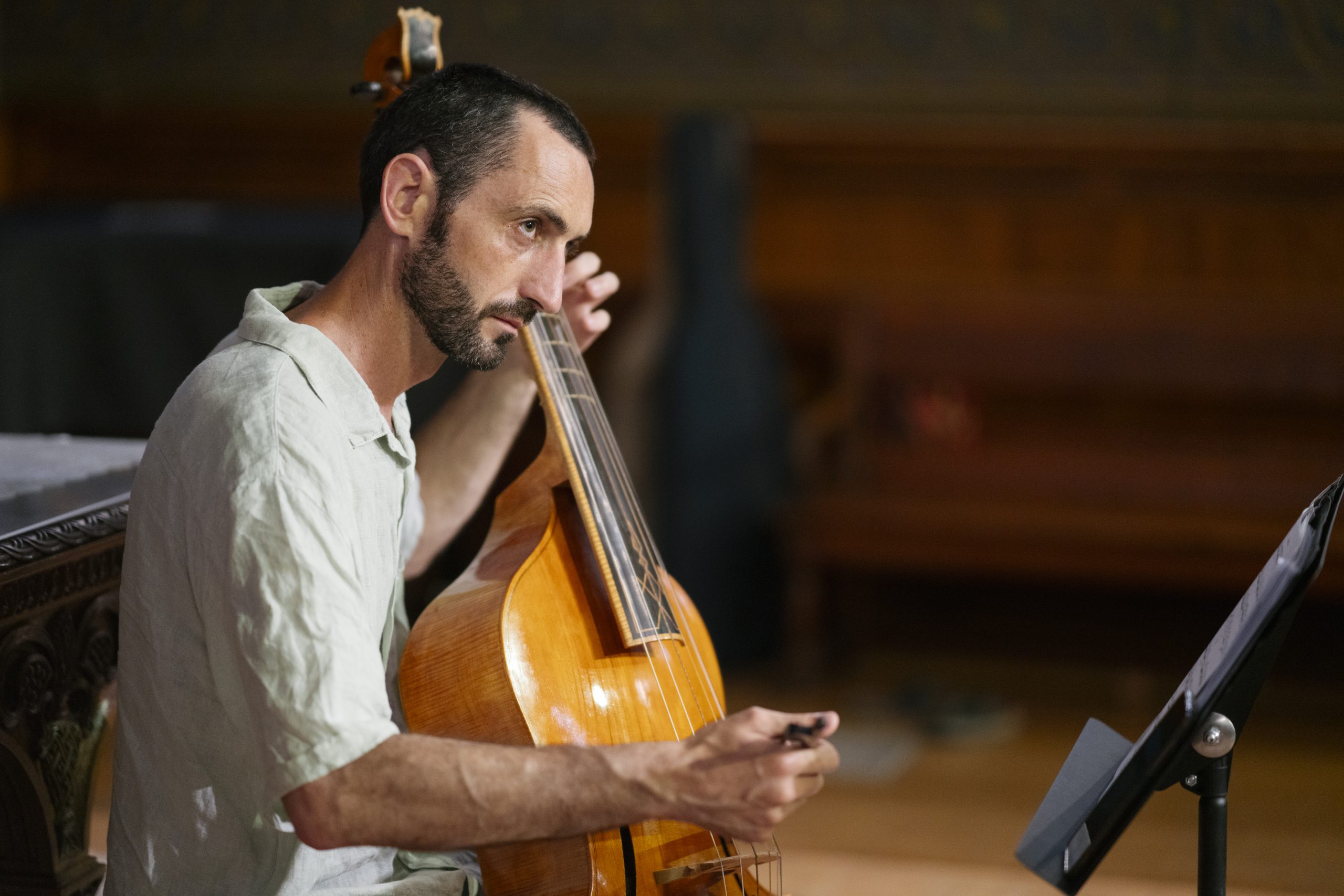
Si dolce è’l tormento
Cavalli · Monteverdi · Strozzi · Vivaldi
From Italian monody to Vivaldi’s cantatas, the voice gives expression to the torments of love.
Read the programme
Seventeenth-century music brings literary texts to life, making the words resonate. Closer to sung theatre than to opera, the music of Cavalli, Monteverdi and Strozzi puts expression first and communicates emotion directly. The art of monody, or “recitar cantando”, produced remarkable works that capture the range of human feeling, the “affetti”. This programme lets us hear that passionate language. Supported by the basso continuo, the voice speaks of the pain and torment of love.
Vivaldi, heir to the Venetian tradition, composed his first opera in 1713, when the genre was in the midst of great upheaval. Reformers called for greater poetic simplicity, changing both the style of opera and what audiences expected from it. Poets now set the terms and singers electrified the crowds; composers had to follow their lead. Music was often relegated to embellishment, an “artifice”. Vivaldi represented a last hope for Venetian opera. He sought to demonstrate the vitality of a tradition dating back to the seventeenth century, especially as Neapolitan composers gained increasing favour.
More intimate than opera, Vivaldi’s cantatas were intended for a solo female singer and were performed by the young women of the Pietà. Their subject is a feeling rather than an action. His cantatas and motets reveal intricate, inventive and intensely expressive vocal writing. Their heightened musical figures and rhythmic gestures mark the maturity of a master of the Venetian Baroque.
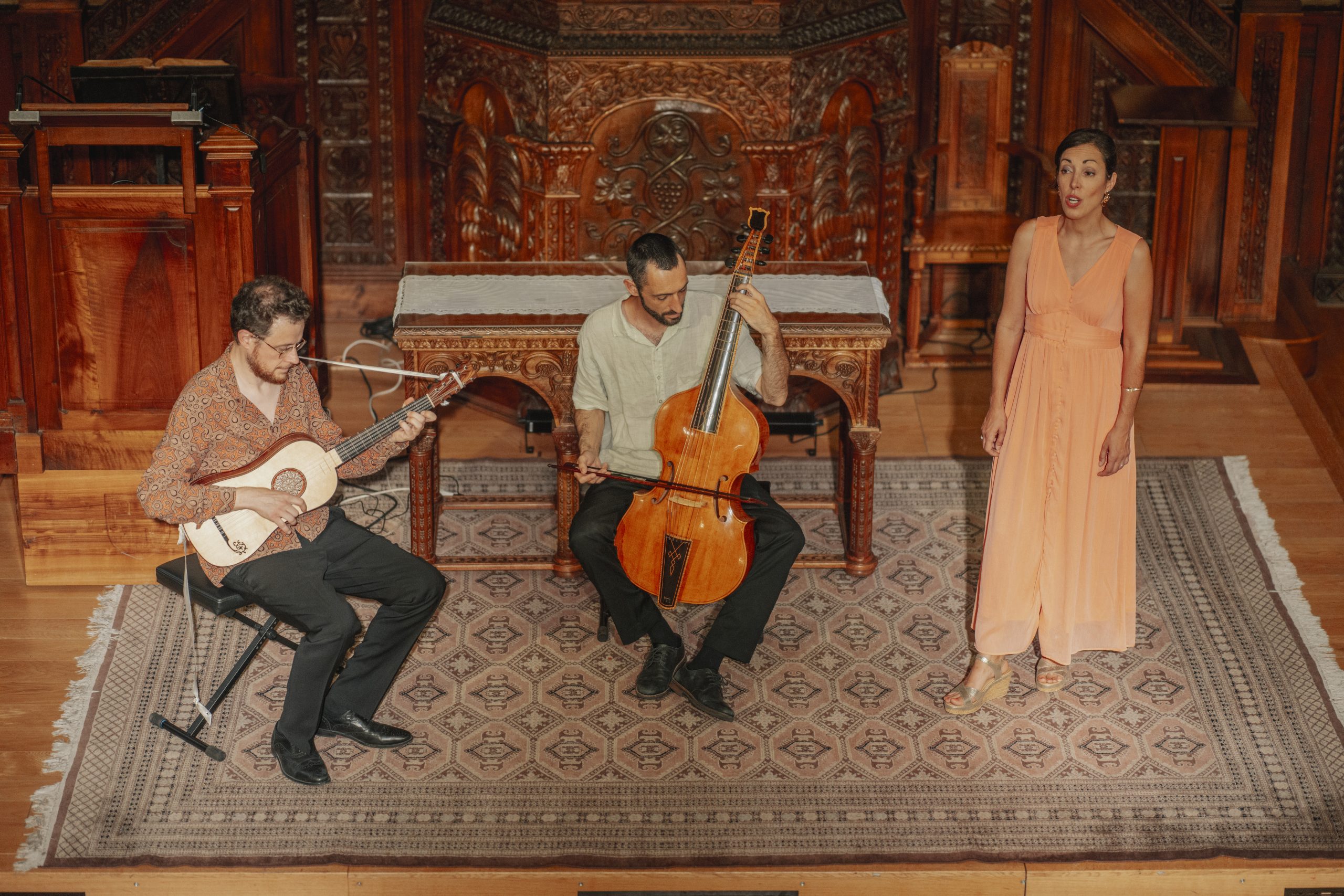
Music from Eighteenth-Century Naples
Scarlatti · Mancini · Caresana · Porpora
A journey into the Neapolitan Baroque, where poetry meets virtuosity.
Read the programme
A musical journey into the heart of the Italian Baroque.
At the turn of the eighteenth century, Italy, and Naples in particular, entered a musical golden age in which the human voice became the most subtle instrument of the passions. In this fertile artistic climate, Alessandro Scarlatti, Francesco Mancini, Cristoforo Caresana and Nicola Porpora shaped a richly expressive language that combines melodic elegance with intensity of feeling.
This programme invites us into the inner world of the Baroque. Love takes many forms: tender and luminous, dreamy and restless, sometimes painful enough to turn to lament or despair. Nature, too, mirrors human feeling. A nightingale’s song, the delicacy of a rose and the fleeting beauty of the world become poetic images for the stirrings of the heart.
Cantatas are miniature theatres of the inner life, especially well suited to expressing these emotions. The dialogue between recitative and aria moves from quiet confidences to outpourings, from reflection to dazzling virtuosity. The voice, by turns fragile, passionate and commanding, explores every shade of feeling. The vocal virtuosity so characteristic of the period does more than dazzle: it carries the thought forward, underlines emotion and brings the poetry to life.
From grace to melancholy, from the impulse of love to solitude, these works trace an emotional landscape in which each piece reveals a different facet of human experience. They bear witness to an art in which music extends and transforms the words, giving them another dimension.
So unfolds this journey into the Neapolitan Baroque: an invitation to listen to the murmurs of the soul and savour the beauty of a musical language in which feeling, poetry and virtuosity become one.